
Speakers at the Exercise in Medicine 2022 - CERG

Speakers at the 10th seminar on Exercise in Medicine

Dorthe Stensvold
PhD

Professor in Exercise Medicine
Cardiac Exercise Research Group
Department of Circulation and Medical Imaging
Norwegian University of Science and Technology
Trondheim, Norway


About:
Dorthe Stensvold is a professor in Exercise Medicine, and the principal investigator of the Generation 100-Study. Her key research area is exercise physiology with a special interest in the physiological adaptation to aerobic exercise.
Carl-Johan Boraxbekk
PhD
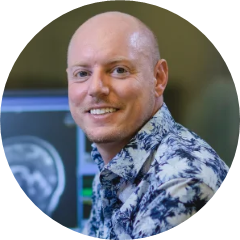

Clinical Professor
Department of Clinical Medicine
University of Copenhagen
Copenhagen, Denmark
Professor of Cognitive Neuroscience
Department of Diagnostics and Intervention
Umeå University
Umeå, Sweden
About:
Carl-Johan Boraxbekk is a Professor in cognitive neuroscience of aging. He leads a research group focusing on improving and maintaining brain function after physical and cognitive interventions in healthy participants and patient groups. To investigate the effect of the intervention, Carl’s research groups use brain imaging techniques such as MRI and PET scans. While aiming to uncover the neuro-cognitive mechanisms of brain and cognitive aging, he focuses on developing innovative, sustainable interventions that enhance brain health across the lifespan.
Rodrigo Miguel dos Santos
PhD

Postdoctoral Scientist
Smidt Heart Institute
Cedars-Sinai Medical Center, Los Angeles
California, USA
About:
Rodrigo Miguel dos Santos is a postdoctoral researcher at the Smidt Heart Institute, Cedars-Sinai Medical Center in Los Angeles. His work focuses on cardiovascular research, including electrophysiology and heart rhythm disorders. He has contributed to studies on atrial fibrillation and fibrosis, particularly in models of pulmonary hypertension. His academic background includes a doctorate and significant involvement in clinical and experimental research.
Marie Klevjer
PhD candidate

Cardiac Exercise Research Group
Department of Circulation and Medical Imaging
Norwegian University of Science and Technology
Trondheim, Norway
About:
arie is interested in the genetics of exercise related traits, with a special interest in VO2max and resting heart rate. Of further interest is how these traits relate to cardiovascular disease and to identify potential causal links between exercise and disease. She is working with large genetic epidemiological studies using data from The Trøndelag Health Study and the UK Biobank. To study this, she uses a variety of epidemiological approaches including genome-wide association studies, Mendelian Randomization, and polygenic risk scores.
Daniel E. Brissac
PhD candidate
Cardiac Exercise Research Group
Department of Circulation and Medical Imaging
Norwegian University of Science and Technology
Trondheim, Norway

About:
Daniel Estil Brissach is a PhD candidate at NTNU and CERG. With a master's background in exercise physiology, his research interests focus on cardiorespiratory fitness as a predictor for all-cause mortality, dementia, and Alzheimer's disease. He is also exploring the molecular mechanisms in the blood that underlie the apparent positive effects of exercise and fitness.
Atefe R. Tari
PhD

PhD in Medicine
Biomedical scientist and Master of Science in Molecular Medicine (NTNU)
Cardiac Exercise Research Group
Department of Circulation and Imaging
Norwegian University of Science and Technology
Trondheim, Norway
About:
Atefe’s research utilizes data from both the Generation 100 Study and HUNT - the Trøndelag Health Study to study how exercise and fitness are important for brain function and the development of dementia. In a study with rats with Alzheimer's disease, she also investigates whether injections with blood from healthy, trained rats can slow the development of the disease. In the fall of 2021, her group initiated ExPlas; a clinical treatment study for Alzheimer's patients
Aleksi Huuha
PhD candidate
Cardiac Exercise Research Group
Department of Circulation and Medical Imaging
Norwegian University of Science and Technology
Trondheim, Norway

About:
Aleksi is a PhD candidate at the Cardiac Exercise Research Group, where he brings a background in biochemistry and exercise physiology. His current research focuses on identifying circulating biomarkers for Alzheimer’s disease in plasma and exploring how exercise training, cardiorespiratory fitness, and plasma treatments from exercised subjects impact these biomarkers.
Helene H. Berg
PhD candidate

Cardiac Exercise Research Group
Department of Circulation and Medical Imaging
Norwegian University of Science and Technology
Trondheim, Norway
About:
Helene Haugen Berg is a neurology resident at St Olav’s University Hospital and a PhD Candidate at Cardiac Exercise Research Group (CERG), NTNU. She finished her medical studies at NTNU i 2015. Her research interests are early diagnostic and prevention of Alzheimer’s disease, and physical activity as a dementia preventive measure. She is part of the Tari Group, working on ExPlas - a clinical trial on Alzheimer's disease. The aim is to examine if blood plasma transfusions from fit donors are safe and if it can benefit the Alzheimer's brain.
Saul Villeda
PhD

Principal investigator
Villeda Lab
University of California San Francisco
California, USA
Associate Professor
Endowed Chair in Biomedical Science
Department of Anatomy
University of California San Francisco
California, USA
Associate Director
Bakar Aging Research Institute
About:
For his PhD in neuroscience, Saul Villeda studied how systemic changes in aging blood contribute to age-related impairments in neural stem cell function and cognitive processes. Later he started his own laboratory and began investigating the cellular and molecular mechanisms underlying the rejuvenation of the aging brain. Villeda discovered that the aging process in the brain can be reversed, improving plasticity and cognitive functions, by altering levels of circulating factors in blood. He has been granted numerous awards for his contribution to research on aging.
Gregor Bieri
PhD

Postdoctoral Scholar
Villeda Lab
Department of Anatomy
University of California San Francisco
California, USA
About:
Gregor Brieri has a PhD in neuroscience, and for his graduate thesis he investigated the interactions between Parkinson’s risk factors and their effect on the prion-like spreading of alphasynuclein. Since 2020 he has been working in the Villeda Lab, where his research is focused on the exercise-induced liver factor Gpld1 and its role in transferring the benefits of exercise on the brain in aging and neurodegeneration.
Tara Walker
PhD

Group Leader & Senior Research Fellow Queensland Brain Institute
University of Queensland
Brisbane, Qld, Australia
About:
Dr Tara Walker studies the mechanisms behind adult neurogenesis, the lifelong production of neurons in the brain. Walker’s research focuses on how exercise enhance neurogenesis, with the goal of discovering strategies to reverse neural loss related to aging, stroke, motor neuron disease and Alzheimer’s disease. In 2018 she started in the position as a Senior Research Associate at the Queensland Brain Institute, where she has discovered that platelets, the tiny blood cells critical for blood clotting, secrete a protein that rejuvenates neurons in aged mice in a similar way to physical exercise.
Anja Bye
PhD

PhD in Molecular Medicine (2008), Researcher
Cardiac Exercise Research Group
Department of Circulation and Medical Imaging
Norwegian University of Science and Technology
Trondheim, Norway
About:
Anja has been studying lifestyle-related disease for twenty years, with a special interest in the cellular and molecular effects of exercise training. In the recent years, she has been exploring the data collected through the Trøndelag Health study, focusing on large genetic epidemiology studies, e.g. to determine the genetic basis of cardiorespiratory fitness and the potential causal links between cardiorespiratory fitness and disease.
Dag Aarsland
MD, PhD

Research Director
Centre for Age-Related Medicine
Stavanger University Hospital
Stavanger, Norway
Professor & Head of Department
Old Age Psychiatry
Institute of Psychiatry
Psychology and Neuroscience
King’s College London
London, UK
About:
Professor Dag Aarsland is an expert psychiatrist and has worked as a senior consultant in geriatric psychiatry for most of his career. His main research interest is the neuropsychiatric aspects of patients with neurodegenerative disease, in particular translational studies on cognitive decline in Parkinson’s disease and dementia with Lewy bodies. Aarsland is leading several national and international multi-center research projects. He has published more than 500 papers, has received several awards for his work, and is recognized for bridging neurology, psychology, and psychiatry to enhance brain health globally.
Charalampos Tzoulis
MD, PhD

Professor of Neurology and Neurogenetics
Department of Clinical Medicine Principal Investigator of Neuromics Research Group
University of Bergen
Bergen, Norway
Co-Director
Neuro-SysMed Center of Excellence for Clinical Research in Neurological diseases
Director
K.G Jebsen Center for Translational Research in Parkinson’s Disease
University of Bergen
Bergen, Norway
About:
Charalampos Tzoulis is a neurologist and expert in neurogenetics and movement disorders. He is the Principal Investigator of the Neuromics Research Group, dedicated to molecular, genetics and clinical studies of neurodegenerative disorders and aging. Tzoulis’ main research focuses on exploring the role of mitochondrial dysfunction in Parkinson’s disease with the aim to improve patient diagnosis and develop neuroprotective therapies.
Ira Haraldsen
MD, PhD

Primary investigator and Head of the Cognitive Health Research Group
Department of Neurology
Oslo University Hospital
Oslo, Norway
About:
Ira Haraldsen is passionate about the ongoing transformative shift in machine-human interaction, which is reshaping economies, societies, and organizational dynamics worldwide. She leads the Cognitive Health Research Group (CoHR) at Oslo University Hospital, as well as being the PI for the project AI-mind, where the development of accessible and next generation AI-models in identifying and estimating dementia risk in people with mild cognitive impairment is central. Additionally, they focus on developing novel functional electrophysiological biomarkers of neurodegeneration by deep learning and classic machine learning methods to identify crucial features of normal and pathological aging and its changing brain's functional integrity
Olov Belander
Senior Adviser

Senior Adviser
The Norwegian Directorate of Health
Oslo, Norway
About:
Olov Belander is a Senior Adviser at The Norwegian Directorate of Health. With experience in physical activity and health, he has contributed to national strategies for physical activity, including the 2020-2029 Action Plan and the National Walking Strategy. His international work involves participation in the WHO-project on physical activity policy development, as well as the International Society of Behavioral Nutrition and Physical Activity (ISBNPA). For several years, Belander has taught physical activity and aging courses at numerous universities and has served in several health-related committees.
Lasse Berre
Executive Advisor

CEO
BERRE Communication Agency
Trondheim, Norway
About:
Lasse, CEO of BERRE Communication Agency, is a renowned Norwegian fashion and advertising photographer turned brand strategist. With a background from Brooks Institute and experience in Los Angeles, he founded BERRE in Trondheim in 1996, growing it into a leading agency serving brands like The North Face and TINE. He also rebranded Atmel in Silicon Valley, launched maXTouch, and co-developed PAI, featured in Wall Street Journal. An active board member and advisor, Lasse contributes to NTNU, chairs institutions, and leads impactful charity campaigns. Known for visual strategy expertise, he is a sought-after keynote speaker and executive advisor.